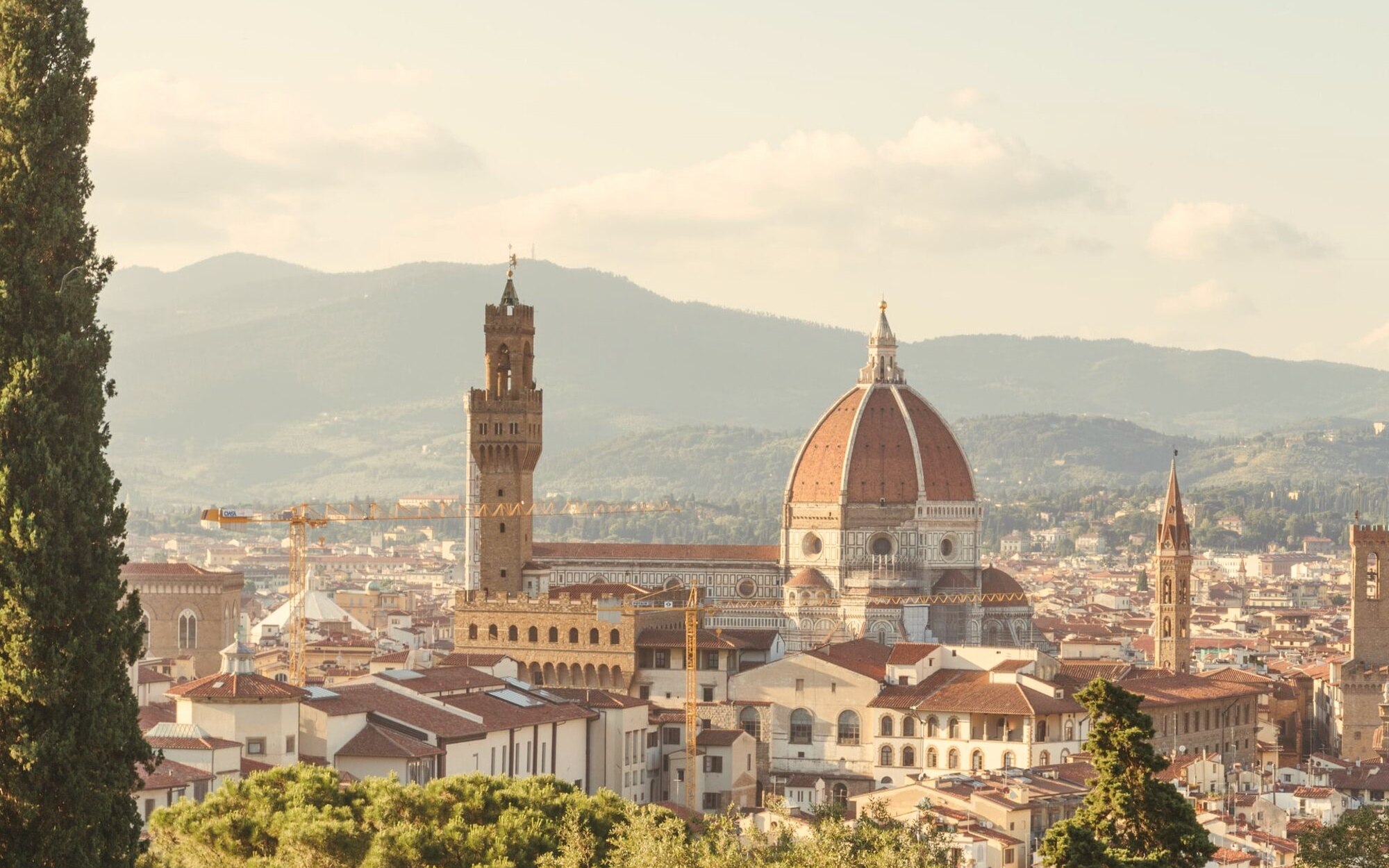
Travel · Florence, Italy
A Florence-based tour company had spent twenty years earning what no media budget can manufacture: organic press from The New York Times to Rick Steves, guests who left as friends, and access across Italy that no algorithm could copy. Then growth slowed, and the obvious answer was the wrong one.
Some travel companies sell itineraries. This one, run from Florence by a small and devoted team, sold Italy itself: la dolce vita, in the form of private tours and bespoke experiences from Tuscany to the Amalfi Coast, led by art historians, local authors, and the occasional aristocrat. Twenty years of relationships had produced a treasure trove of access, the kind a traveler only finds through people who actually live there. The press had noticed long ago. The New York Times, TIME, Lonely Planet, Departures, Rick Steves: recommended by all of them.
And yet growth had slowed. Travel was moving online fast, and newer, well-funded competitors were pulling ahead in the places travelers now looked first. The founders read it as a content problem. This was the era of long-form SEO, and the plan on the table was a serious spend on blog posts and visibility.
They asked us to read the whole business before the investment was made.
More content would have amplified the deeper issues, and fixed none of them.
The diagnosis surfaced what the founders were too close to see. The website had not kept pace with the business, and eight of every ten visitors left without clicking further. But the bounce rate was only the measurable edge of something larger: the digital presence did not match the caliber of the in-person experience. A traveler in New York or London, planning the trip of a lifetime, encountered only the website, never the experience behind it, and booked with whichever company looked most credible online. The research is blunt about why: the vast majority of travelers now research and judge a company online before they ever reach out, with what they find directly shaping what they book.1 A digital presence far below the in-person standard was not simply underselling the company. It was quietly sending its best prospects to competitors.
Two more findings sat beneath it. Pricing had not been revisited in years, while two decades of reputation had quietly compounded around it. And the operational knowledge was all there, meticulously so: the team had built an employee handbook rich with how-to guides. It simply lived in dense documents rather than in systems. There was no project management platform yet, the custom-built booking back end stood alone, and client emails were handled personally by a devoted team, so the day ran on effort where it could have run on process.
 Tuscany
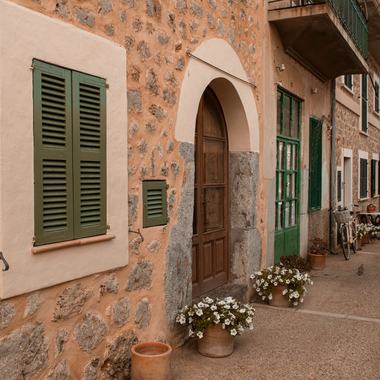
 Doors
Doors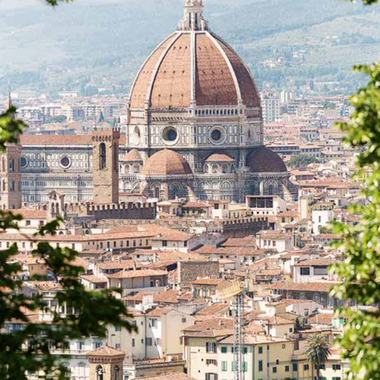 Firenze
 Gardens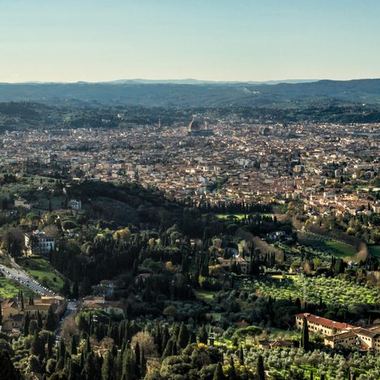
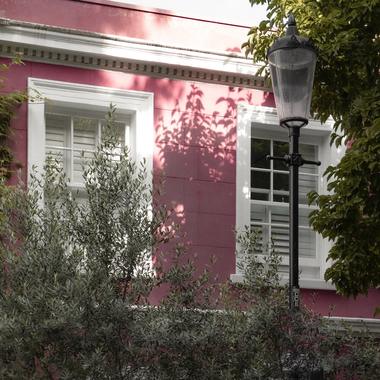
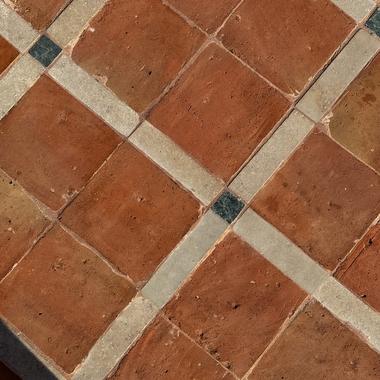
The Direction put the moves in order. Pricing rose to meet the reputation. The operation got a spine: the handbook’s knowledge was streamlined into software, with a project management platform, clear workflows and procedures, and a booking system integrated with the custom back end so reservations ran seamlessly. Goals were measured one way, by everyone, and the email load lightened.
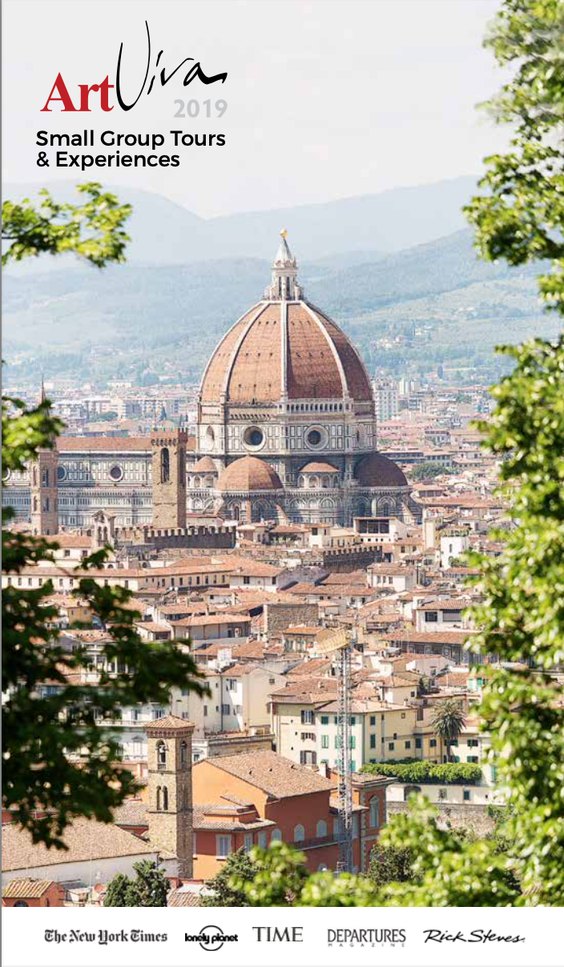
Then the story. The digital presence was rebuilt around what the company actually was, and the SEO was built from treasure the site already held: two decades of content, keywords, and press that search engines had never been asked to notice. The story carried into print as well: the brochure pictured above was produced under our creative direction, with a complete brief handed to the designer. And the revived newsletter reopened conversations with years of past guests, through email, the channel that industry benchmarks still credit with roughly 36 dollars returned for every one spent.2
Bounce rate fell from 80 percent. Bookings climbed, and the audience finally saw the company at its true size.
“I can highly recommend Nikki … a brilliant all rounder, able to step in and step up to all the challenges of a small business, and a good lateral thinker, able to suggest creative and cost effective solutions to all kinds of problems. It’s rare to find all these qualities in a person.”
A year later, revenue was up thirty percent and profit twenty-three, on the same tours, led by the same people. The content investment they arrived planning to make was never needed: the diagnosis found the real constraints and fixed those instead, saving the company the spend, the time, and the detour.
When the in-person experience is superb and growth still slows, the answer is rarely a bigger marketing budget. It is usually a digital presence that undersells the real thing, a price that trails the reputation, or an operation running on memory. Read together, they turn a plateau into a plan.
“In a short period of time, Nikki proved how effective her services were and how trustworthy she was. We actually got things done versus just talking about it. No matter what kind of business you run, whether you’re just starting out or have been in business for years, Nikki can help you improve and achieve your goals.”
Work shown as delivered at the time of the engagement. Figures are year over year from that period.

If what guests feel in person is missing from your website, begin with the whole picture.
InquireQuestions first